
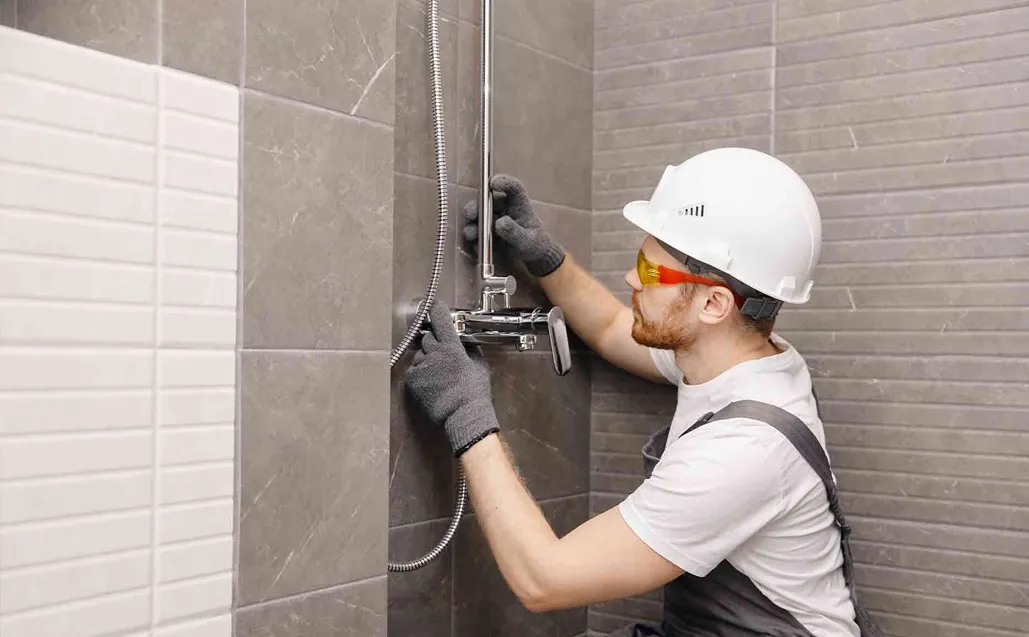
Shower installation
Shower installation involves setting up a shower system in a bathroom, which can range from a simple showerhead replacement to a full shower enclosure installation. The process includes plumbing, tiling, waterproofing, and potentially electrical work. Here’s a comprehensive guide to shower installation:
Planning and Design
Choosing a Shower System:
- Decide on the type of shower: over-bath showers, shower enclosures, walk-in showers, or wet rooms.
- Consider the style of showerhead, such as fixed, handheld, or rainfall.
- Determine additional features like thermostatic controls, multiple jets, or digital controls.
Bathroom Layout:
- Assess the bathroom layout to ensure adequate space for the shower.
- Plan the placement of the shower, considering existing plumbing and drainage systems.
Shower Installation Process
Preparation and Demolition:
- If replacing an existing shower, remove the old showerhead, enclosure, and tiles as needed.
- Prepare the area by addressing structural issues and ensuring a clean, level surface.
Plumbing Installation:
- Install new plumbing lines if necessary, ensuring they are properly sealed and insulated.
- Connect hot and cold water supply lines, ensuring correct pressure and temperature control.
- Install a shower valve, typically thermostatic, to maintain a consistent temperature.
Drainage and Waterproofing:
- Install a drain that connects to the existing plumbing system. Ensure proper slope to avoid standing water.
- Waterproof the area using appropriate materials like waterproof membranes or coatings. This is critical to prevent water damage and mold growth.
Shower Enclosure Installation:
- Install the shower base or tray, ensuring it’s level and properly sealed.
- For shower enclosures, install the walls or panels, ensuring a tight fit and proper sealing to prevent leaks.
- If using tiles, install them with waterproof adhesive and grout. Ensure proper sealing in corners and edges.
Showerhead and Controls:
- Install the showerhead and any additional fixtures, like handheld sprays or body jets.
- Connect the showerhead to the plumbing system and secure all connections.
- Install the shower controls, ensuring they are properly sealed and aligned.
Final Testing and Adjustments:
- Test the shower for proper water flow, temperature control, and drainage.
- Check for leaks and make necessary adjustments to ensure everything is sealed and secure.
- Ensure safety features like anti-scald valves or thermostatic controls are functioning correctly.
Safety and Compliance
- Building Codes: Ensure the installation complies with local building codes and safety regulations.
- Professional Installation: For complex installations or plumbing work, use licensed professionals to ensure safety and reliability.
- Ventilation: Ensure proper ventilation in the bathroom to prevent moisture buildup and mold growth.
Additional Considerations
- Accessibility: If needed, consider accessibility features like grab bars, low-entry shower bases, or wheelchair-accessible designs.
- Shower Doors: Choose the right type of shower door (sliding, pivot, or bi-fold) based on the bathroom layout and ease of use.
- Aesthetics: Consider the overall bathroom design and choose shower fixtures and finishes that match the style.
Proper installation is key to ensuring a functional and safe shower. By following these steps and ensuring professional involvement when needed, you can create a shower that enhances your bathroom’s functionality and aesthetics while maintaining safety and compliance with building codes.
For all your bathroom needs, The Best Boilers is the top choice. From selecting the perfect fittings to designing the ideal layout, our team can do it all. We handle all plumbing work and also offer tile installation for both floors and walls. Our transparent quoting process ensures you get a fair price for the work you want.
You can trust our qualified plumbing specialists to provide reliable service. With over 30 years of experience and hundreds of satisfied customers, you can be confident that your bathroom is in good hands. Contact us today for a quote and see why our customers trust us and refer us to their friends and family.
TheBestBoilers features a full range of heating, and installation solutions in UK and surrounding areas. Call us today on 0777 111 9401 for a free quote and special savings!
Frequently Ask Questions
The cost of boiler installation can be influenced by several factors, including the type and size of the boiler, the complexity of the installation, the location of the boiler, and any additional components or services required, such as new pipework or controls.
Boiler installation is necessary to ensure safe and efficient heating in your home. Proper installation ensures that the boiler operates correctly, reducing the risk of malfunctions, leaks, and carbon monoxide poisoning. It also helps maintain the manufacturer’s warranty.
The time it takes to install a boiler can vary depending on the type of boiler, the complexity of the installation, and the skill of the installer. On average, a boiler installation can take anywhere from a few hours to a full day.
After boiler installation, it’s important to follow the manufacturer’s guidelines for maintenance, which may include regular servicing, checking for leaks or unusual noises, and ensuring that the boiler’s pressure is at the correct level. Regular maintenance can help prolong the life of your boiler and ensure its continued efficiency.
Before a boiler installation, it’s a good idea to clear the area around the boiler and ensure that there is easy access for the installer. You may also need to arrange for the disconnection of your old boiler and the removal of any debris or waste materials.
Boiler installation is a complex and potentially dangerous task that should only be carried out by a qualified and registered heating engineer. Attempting to install a boiler yourself could result in serious injury, damage to your property, and could void the boiler’s warranty. It is always best to hire a professional for boiler installation to ensure it is done safely and correctly.