
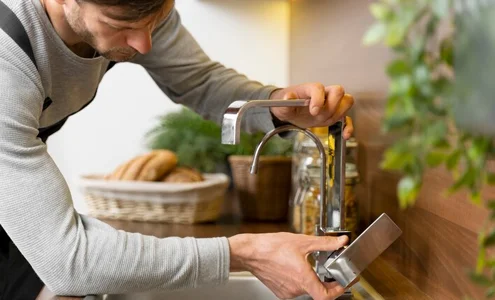
Garden taps kitchen taps
Garden taps and kitchen taps serve different purposes in their respective environments but share common features like delivering water and requiring proper installation and maintenance. Here’s a comprehensive overview of both types of taps, including their functions, installation, and maintenance.
Garden Taps
Garden taps, also known as outdoor taps or hose bibs, are designed for outdoor use, providing a water source for gardening, cleaning, and other outdoor activities.
Design and Construction:
- Made from durable materials like brass or stainless steel to withstand outdoor conditions.
- Typically feature a threaded spout for attaching garden hoses or other outdoor equipment.
- Often include anti-freeze features to prevent freezing and bursting in cold weather.
Installation:
- Installed on an exterior wall, with plumbing connections running from the inside of the house.
- Proper sealing and insulation are essential to prevent leaks and ensure durability.
- Installation requires drilling through the exterior wall and connecting to existing plumbing.
- Consider adding a backflow preventer to avoid contamination of the home’s water supply.
Uses:
- Watering gardens and lawns.
- Washing cars, patios, or outdoor furniture.
- Filling pools or watering cans.
Kitchen Taps
Kitchen taps, also known as kitchen faucets, are indoor fixtures that provide water for kitchen sinks, used for cooking, cleaning, and other kitchen-related tasks.
Design and Functionality:
- Come in various styles, including single-handle, double-handle, pull-out, and pull-down taps.
- May include additional features like spray heads, water filtration systems, or touchless operation.
- Available in a range of materials and finishes, such as stainless steel, chrome, or brushed nickel, to match kitchen aesthetics.
Installation:
- Installed on a kitchen sink or countertop, typically connecting to hot and cold water supply lines.
- May require additional work to fit with existing plumbing or countertops.
- Installation involves securing the tap to the sink or countertop, connecting to the water supply, and testing for leaks.
Maintenance:
- Regular cleaning to prevent limescale buildup and maintain appearance.
- Checking for leaks, especially around the base and connections.
- Replacing worn-out washers, O-rings, or cartridges to maintain functionality.
Common Considerations for Both Types of Taps
- Water Pressure: Ensure proper water pressure for optimal operation. Low pressure could indicate a plumbing issue.
- Leaks: Regularly check for leaks and address them promptly to avoid water damage or increased water bills.
- Longevity: Use durable materials and professional installation to ensure long-lasting performance.
- Environmental Considerations: Consider water-saving features like aerators or flow restrictors to reduce water consumption.
Safety and Compliance
- Plumbing Codes: Ensure installations comply with local plumbing codes and regulations.
- Professional Installation: For complex installations or connections, use a licensed plumber to ensure safety and reliability.
- Backflow Prevention: Use backflow preventers, especially for garden taps, to prevent contamination of the water supply.
By following these guidelines, garden taps and kitchen taps can be installed and maintained for optimal performance and longevity. Proper installation and maintenance are key to avoiding leaks, ensuring safety, and maximizing functionality.
The best boilers can handle every aspect of your bathroom fit out. We can provide design suggestions, advise on products and fittings, and explain the benefits of different choices. Our services range from full design and build projects to minor refurbishments, all aimed at giving your bathroom a fresh, updated look. Our engineers are highly skilled, NVQ qualified , and have earned excellent reviews for their work.
For all your bathroom needs, The Best Boilers is the top choice. From selecting the perfect fittings to designing the ideal layout, our team can do it all. We handle all plumbing work and also offer tile installation for both floors and walls. Our transparent quoting process ensures you get a fair price for the work you want.
You can trust our qualified plumbing specialists to provide reliable service. With over 30 years of experience and hundreds of satisfied customers, you can be confident that your bathroom is in good hands. Contact us today for a quote and see why our customers trust us and refer us to their friends and family.
TheBestBoilers features a full range of heating, and installation solutions in UK and surrounding areas. Call us today on 0777 111 9401 for a free quote and special savings!
Frequently Ask Questions
The cost of boiler installation can be influenced by several factors, including the type and size of the boiler, the complexity of the installation, the location of the boiler, and any additional components or services required, such as new pipework or controls.
Boiler installation is necessary to ensure safe and efficient heating in your home. Proper installation ensures that the boiler operates correctly, reducing the risk of malfunctions, leaks, and carbon monoxide poisoning. It also helps maintain the manufacturer’s warranty.
The time it takes to install a boiler can vary depending on the type of boiler, the complexity of the installation, and the skill of the installer. On average, a boiler installation can take anywhere from a few hours to a full day.
After boiler installation, it’s important to follow the manufacturer’s guidelines for maintenance, which may include regular servicing, checking for leaks or unusual noises, and ensuring that the boiler’s pressure is at the correct level. Regular maintenance can help prolong the life of your boiler and ensure its continued efficiency.
Before a boiler installation, it’s a good idea to clear the area around the boiler and ensure that there is easy access for the installer. You may also need to arrange for the disconnection of your old boiler and the removal of any debris or waste materials.
Boiler installation is a complex and potentially dangerous task that should only be carried out by a qualified and registered heating engineer. Attempting to install a boiler yourself could result in serious injury, damage to your property, and could void the boiler’s warranty. It is always best to hire a professional for boiler installation to ensure it is done safely and correctly.